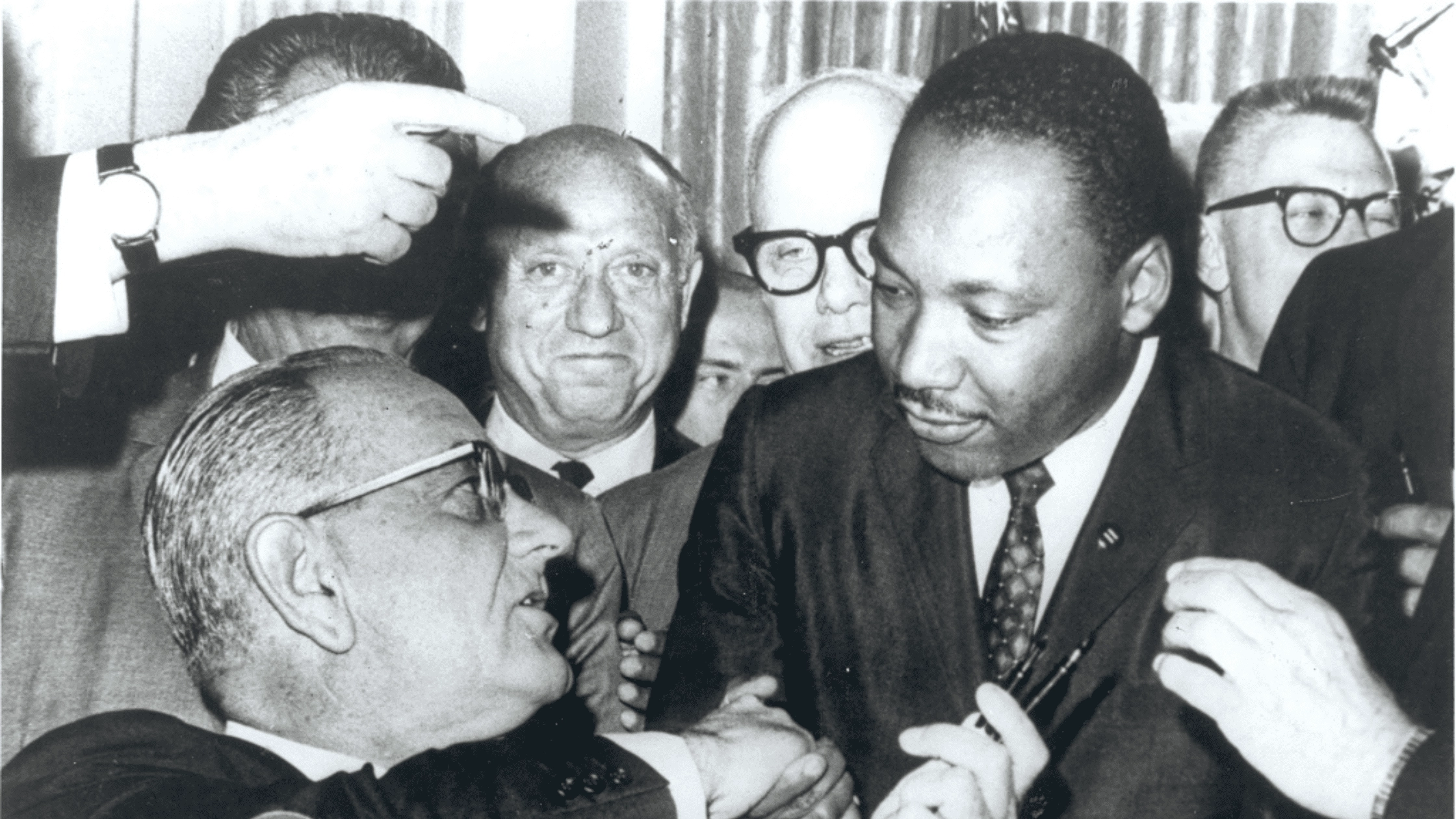
When Dr. Martin Luther King Jr. walked into a courtroom, he never walked alone. Behind every speech, every march, and every act of civil disobedience stood a network of skilled attorneys—men and women who understood that transforming America required both moral courage and legal strategy. Their work fundamentally altered the legal landscape of the United States, creating the civil rights protections that Americans rely on today. Understanding this partnership reveals something vital: meaningful change requires the right lawyers standing beside you.
The Lawyers Who Made History
King’s legal team was not a small operation. Over seventy lawyers and several major legal organizations worked to defend King, his colleagues, and thousands of protesters throughout the civil rights movement. These weren’t distant advocates operating behind the scenes. They were strategic partners who understood that law and direct action could work in concert.
Clarence B. Jones was King’s most intimate legal advisor. Jones joined King’s defense team in 1960, helping him win a tax fraud trial brought by the State of Alabama—a case designed to destroy King’s credibility. After King’s acquittal, Jones relocated to Harlem to serve as general counsel for the Gandhi Society for Human Rights, the SCLC’s fundraising arm. But his role extended far beyond traditional legal representation. Jones was part of King’s inner circle, serving as speechwriter, strategist, and confidant. He helped draft portions of King’s most famous speeches, including the “I Have a Dream” address in 1963 and the “Beyond Vietnam” speech in 1967. Vanity Fair called him “the man who kept King’s secrets”—someone privy to King’s decision-making processes and political struggles.
Harry H. Wachtel, a prominent Manhattan corporate lawyer, became King’s legal counsel and confidant beginning in 1962. Like Jones, Wachtel’s role transcended traditional lawyering. He served as vice president and legal counsel for the Martin Luther King Jr. Center for Nonviolent Social Change and was a trustee of the Southern Christian Leadership Conference. Wachtel helped establish the Gandhi Society for Human Rights and worked on some of the movement’s most significant legal cases, including cases involving voting rights in Selma, Alabama, and the landmark libel case New York Times v. Sullivan. He remained involved in King’s legacy long after the civil rights leader’s death, serving the King Center until 1982.
The NAACP Legal Defense and Educational Fund (LDF), founded by Thurgood Marshall, was the institutional backbone of civil rights litigation. The LDF provided legal representation to hundreds of protesters, mounting constitutional challenges to segregation laws while defending activists against criminal prosecutions designed to intimidate the movement.
How Lawyers and Activists Worked Together
What made King’s relationship with lawyers unique was that he controlled when and how to use litigation—he didn’t surrender strategy to lawyers. This was revolutionary. Unlike earlier civil rights efforts that relied solely on courts to dismantle segregation, King integrated legal strategy with direct action. When he was arrested for marching without permits or violating segregation ordinances, his lawyers would mount constitutional challenges. But King’s nonviolent protests created the political pressure that transformed legal arguments from abstract constitutional theory into urgent national imperatives.
Consider the Birmingham campaign of 1963. King deliberately violated segregation laws and permit requirements, knowing he would be arrested. His lawyers were prepared to challenge his conviction in court, but more importantly, King’s imprisonment—and the iconic image of him in a jail cell—galvanized national attention. From that cell, King wrote his “Letter from Birmingham Jail,” articulating the philosophical and legal justification for civil disobedience. His lawyers transformed that letter into a legal document arguing that citizens had the constitutional right to violate unjust laws.
The New York Times v. Sullivan case illustrated this partnership perfectly. When the New York Times published an advertisement critical of Montgomery officials, L.B. Sullivan sued for libel, winning a $500,000 judgment against the newspaper and King’s ally Ralph Abernathy. Wachtel and other civil rights lawyers appealed to the Supreme Court, where they argued that the First Amendment protected criticism of government officials. The Court agreed, establishing a landmark precedent protecting free speech and free press—protections that remain foundational to American democracy.
These weren’t isolated legal victories. They were strategic moves in a larger campaign to transform American law itself.
The Legal Framework King’s Lawyers Built
The civil rights lawyers working with King didn’t simply defend individual protesters. They systematically challenged the legal architecture of segregation and discrimination. Their work created the constitutional framework that governs modern law practice across multiple practice areas—including immigration, real estate, estate planning, and construction law.
Real Estate and Fair Housing: Before King’s movement, American real estate law explicitly permitted racial discrimination through restrictive covenants written into property deeds. Civil rights lawyers challenged these provisions, arguing they violated the Constitution’s guarantee of equal protection. The Fair Housing Act of 1968, passed days after King’s assassination, prohibited racial discrimination in housing. Today’s real estate attorneys rely on this statute daily when representing clients facing housing discrimination. When a client can’t secure financing, or is steered away from certain neighborhoods, or faces discrimination from landlords, the legal remedies available exist because King’s lawyers forced America to confront housing discrimination as a constitutional violation.
Voting Rights: King’s lawyers worked extensively on voting rights cases, particularly in Selma, Alabama, where the SCLC planned a major voting rights campaign in 1965. These lawyers mounted constitutional challenges to literacy tests, poll taxes, and grandfather clauses—techniques used to prevent Black Americans from voting. Their work led to the Voting Rights Act of 1965, which suspended literacy tests and authorized federal oversight of voting in jurisdictions with histories of discrimination. Modern attorneys representing clients facing voting rights violations or challenging discriminatory electoral practices rely on the legal framework these civil rights lawyers established.
Employment and Economic Rights: King’s lawyers also developed legal theories protecting workers from discrimination. His assassination occurred in Memphis, where he was supporting striking sanitation workers—a cause rooted in economic justice. The legal protections for workers that modern employment attorneys use today were strengthened by cases brought by civil rights lawyers arguing that economic dignity was inseparable from civil rights.
Immigration and Equal Protection: Civil rights lawyers developed equal protection doctrine that extends beyond racial discrimination to protect immigrants and other vulnerable populations. When modern immigration attorneys represent clients facing discriminatory enforcement or challenging policies that disproportionately harm particular immigrant groups, they rely on constitutional frameworks developed through civil rights litigation.
Why This History Matters for Your Legal Needs
Understanding King’s legal partnerships reveals something fundamental: meaningful legal change requires lawyers who understand both the law and the larger stakes at issue. King didn’t simply hire lawyers to win individual cases. He partnered with attorneys who understood that law could be an instrument of liberation—that strategic litigation could transform constitutional doctrine and protect vulnerable people.
Modern legal practice has evolved, but the core principle remains. When you face discrimination in housing, employment, immigration, or any other area of life, having the right lawyers standing with you makes all the difference. Those lawyers must understand not only the technical details of law but also the human stakes involved. They must be willing to challenge unjust legal frameworks and pursue creative strategies that protect your rights.
At BayLegal.com, we approach legal representation with this same philosophy. We understand that every case carries broader implications—that the immigrant facing deportation, the family denied housing due to discrimination, the worker exploited by an employer, the estate owner seeking to build multigenerational wealth—each client deserves lawyers who will stand with them completely.
When King’s lawyers challenged segregation ordinances, defended arrested protesters, and argued before the Supreme Court, they were doing more than winning individual cases. They were systematically rebuilding American law to serve justice. That’s what civil rights lawyering has always been about.
The Unfinished Work
Clarence B. Jones, who served as King’s legal advisor and speechwriter, went on to receive the Presidential Medal of Freedom—the nation’s highest civilian honor—for his contributions to the civil rights movement. Harry Wachtel continued serving King’s legacy through the King Center long after King’s death. The lawyers who worked on these cases became models for subsequent generations of civil rights attorneys.
Yet King’s agenda remained incomplete at his death. His Poor People’s Campaign—an ambitious plan to address poverty across racial lines—never fully materialized. His vision of radical economic justice, articulated through legal and constitutional arguments, still awaits full implementation. The legal framework protecting against discrimination exists, but questions of substantive economic justice—ensuring that legal equality translates into real economic opportunity—remain contested.
This is where modern attorneys like those at BayLegal.com carry forward the legacy. When we represent clients in estate planning, we help build intergenerational wealth for families that history excluded from such opportunity. When we defend immigrants’ rights, we invoke equal protection principles developed through civil rights litigation. When we challenge unfair real estate practices, we draw on the Fair Housing Act that King’s movement made possible. When we advocate for construction workers facing wage theft, we invoke labor protections strengthened by civil rights lawyers.
Standing Together
King’s most important insight was recognizing that lawyers could be partners in social change—not gatekeepers of law, but instruments of justice. The seventy attorneys who worked with King understood this. They didn’t simply represent a client; they helped transform America’s legal system.
That same principle guides BayLegal.com’s approach to representation. We believe that every client deserves lawyers who will stand completely with them—who understand the legal complexities of their case while also recognizing what’s genuinely at stake. Whether you’re facing housing discrimination, immigration challenges, family legal matters, or construction disputes, you deserve attorneys who approach your case with the same strategic thinking and moral commitment that King’s lawyers brought to their work.
The civil rights lawyers who stood with King demonstrated that law, properly wielded, can be an instrument of liberation. They showed that technical legal expertise combined with strategic thinking and moral conviction can transform not just individual cases but entire legal systems. That legacy continues. When you need lawyers to stand with you, you need attorneys who understand that principle—who recognize that your case matters not only to you but to the larger project of creating a more just legal system for all.
Standing together meant everything to King’s movement. It still means everything today.