

Business succession planning in California: A complete guide for 2025

Learn expert strategies for business succession planning in California, covering legal, tax, valuation, and family considerations to protect your company’s future.
What to Know About Buying or Selling a Home in California

TL;DR: Buying or selling a home in California in 2025 is exciting but complex. With high property values, strict disclosure rules, and unique escrow procedures, missing a step can cause costly delays or disputes. This guide walks you through each stage — from market research to recording deeds — while highlighting common risks like title disputes, inspection issues, and unrecorded liens. Bay Legal PC helps you navigate these California real estate transactions with confidence, offering tailored legal guidance and a no-obligation first meeting. What to Know About Buying or Selling a Home in California Buying or selling a home in California can feel overwhelming. Prices remain among the highest in the nation, and the paperwork can be intense. Between property disclosures, escrow timelines, and title checks, even a small oversight can snowball into a major problem. It’s important to handle each step correctly. Mistakes can lead to disputes, unexpected costs, or even losing the deal. That’s why business owners and homeowners alike benefit from professional legal guidance before signing anything. At Bay Legal PC, we help clients prepare clear, compliant plans for buying or selling a home in California. We make the process easier to understand and less stressful while protecting your financial and long-term goals. Why Buying and Selling a Home in California Matters Now in 2025 The property acquisition process has become more intricate than ever before due to new disclosure rules and recent movements in the California housing market. Accurate assessments and comprehensive due diligence are crucial due to the high median property prices in California, according to the California Association of Realtors. Bay Legal PC offers experienced legal guidance for California real estate transactions, including the escrow process in California, title reviews, and disclosure compliance. Your first meeting will cover your options, explore whether a transaction fits your long-term plans, and help you identify any potential risks — with no obligation to move forward. What does Buying and Selling a Home in California Mean? Buying and selling a home in California means transferring legal ownership of residential property from one party to another. These transactions involve: Negotiating price and terms in a California home sale involves agreeing on a fair purchase price, payment methods, contingencies, and deadlines between buyer and seller. Completing inspections ensures the property meets California’s health, safety, and structural standards, allowing buyers to identify necessary repairs, confirm condition, and avoid unexpected post-purchase costs. Managing the escrow process involves a neutral third party handling funds, verifying compliance with California laws, ensuring conditions are met, and facilitating a secure, transparent property transfer. Recording the deed with the county officially updates public records, establishes legal ownership under California law, and protects the buyer’s rights against future ownership disputes. Attorneys play a critical role in drafting clear contracts, reviewing disclosures, and ensuring compliance with California’s strict real estate laws. The 7 Essential Steps for a Successful Home Transaction in California 1. Research the California Real Estate Market. Check median home prices in your city or county. Review sales data to understand market trends. Factor in local property tax implications. 2. Set a Budget or Pricing Strategy Buyers: Review your mortgage options and pre-approval status. Sellers: Prepare for potential capital gains taxes. 3. Hire Experienced Professionals Work with a real estate agent who understands California’s market and disclosure rules. Consult Bay Legal PC for contract review and legal risk assessment. 4. Secure Property Records and Title Reports Confirm there are no liens or title defects. Review property boundaries and zoning. 5. Understand the Escrow Process in California Escrow holds funds and documents until all conditions are met. Both parties deposit required items into escrow before closing. Bay Legal PC can help you review escrow instructions to avoid disputes. 6. Complete Inspections and Disclosures Check for structural issues, pest problems, and code compliance. Sellers must disclose known defects. 7. Close the Deal and Record the Deed Sign closing documents. Transfer funds. File the deed with the county recorder. The Critical Connection Between Property Records and Real Estate Transactions in California Property records are the backbone of any sale. They confirm ownership, list past transactions, and note liens or easements. Without accurate records, disputes can arise over property lines, ownership claims, or unpaid debts. Bay Legal PC works to identify and resolve these issues before closing. Overcoming Common Challenges in Buying or Selling a Home in California Tight Timelines California’s real estate market often moves quickly, and tight timelines can create stress for both buyers and sellers. It’s crucial to plan ahead by scheduling inspections early, securing pre-approval for financing, and understanding all contractual deadlines before they arrive. Delays in securing loan approval or completing inspections can cause deals to fall through, so having your paperwork ready and your service providers lined up is essential. Working closely with your real estate agent and lender ensures you can meet key milestones without scrambling. Preparation not only keeps transactions on track but also boosts your negotiating power in a competitive market. Title Issues Title issues, such as unresolved liens, unpaid taxes, or ownership disputes, can derail a property sale in California. Before listing your home or making an offer, it’s wise to conduct a preliminary title search to identify any problems early. Clearing these issues might involve paying outstanding debts, resolving boundary disputes, or correcting errors in public records. Addressing them before entering escrow saves time and prevents last-minute complications that could jeopardize the transaction. Partnering with a trusted title company or real estate attorney ensures that ownership is properly transferred, giving both parties confidence that the deal will close smoothly and securely. Inspection Surprises A home inspection can uncover unexpected issues, from roof leaks to faulty wiring, that may impact negotiations in a California real estate deal. Instead of letting these surprises stall the process, act quickly to negotiate repairs, request seller credits, or adjust the purchase price. Sellers should consider a pre-listing inspection to identify and address potential problems before they hit the market. Buyers benefit from working with
California Lease Agreement: How To Break A Lease And Navigate Rental Lease Agreements In California
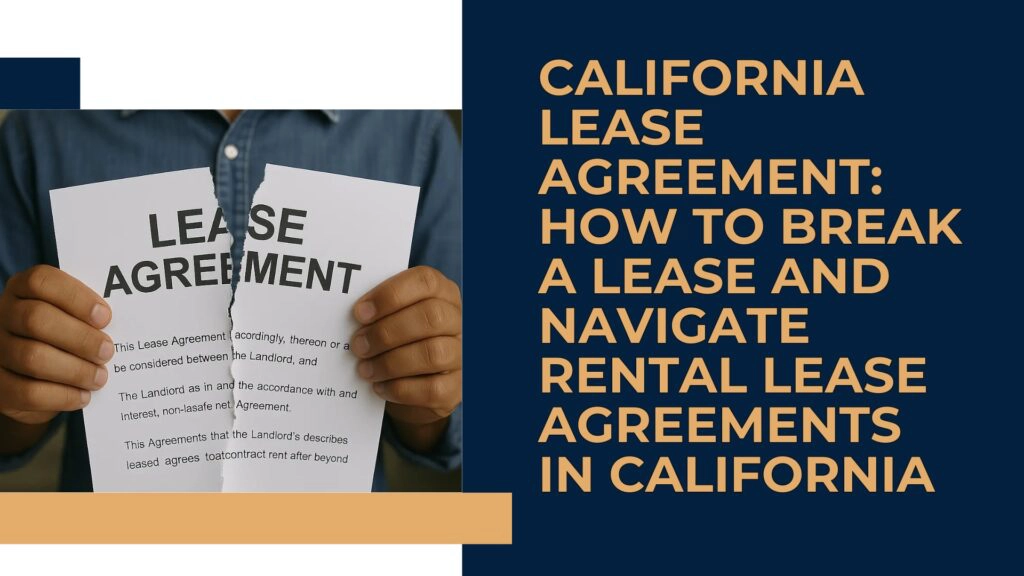
Breaking a lease doesn’t have to wreck your finances or peace of mind. By knowing your rights, following the right steps, and getting legal advice from professionals like Bay Legal PC, you can move forward with confidence.
Essential Asset Protection Strategies In California: Trusts And Legal Protection

Concerned about safeguarding your assets in California? We understand. Our in-depth study of California’s asset protection laws has provided us with significant knowledge. Through our blog, we relay insights on how to protect your property from lawsuits or debts. Let’s examine what we’ve uncovered to secure your belongings. Mastering the complexities of asset protection in California is important. Regardless of whether you’re eyeing an asset protection trust or other plans, being aware of your alternatives can greatly influence the outcome. Establishing an asset protection trust in California can be a smart decision. These trusts are frequently irrevocable, providing a strong guard against creditors’ attempts on your personal wealth. However, keep in mind, selecting the appropriate type of trust is significant. From living trusts to spendthrift and discretionary trusts, each is purposed differently and provides varying degrees of protection for your assets. Seeking advice from an experienced lawyer or law firm with knowledge in estate planning and asset protection is vital too. They can assist in maneuvering through intricate rules to ensure that your assets are secure but still within your command – in essence, providing you comfort. In the end, effective asset protection merges understanding laws with electing suitable strategies – like setting up irrevocable trusts – to defend what you own from unexpected claims or liabilities. Understanding Asset Protection Strategies in California In California, we have tools like trusts, LLCs, and homestead exemptions to protect our assets. These strategies shield what we own from those seeking claims, such as in lawsuits or from creditors. California laws offer added protection for homes and other properties. Using a trust lets us pass control of our assets while still benefiting from them. An LLC separates business assets from personal ones, offering another layer of safety. A homestead exemption can safeguard part of a home’s value during financial difficulties. Protecting hard-earned assets requires choosing the right tools at the right time. Legal Challenges to Asset Protection in California We know that California’s laws on asset protection are tough. People often run into legal issues when trying to safeguard their assets. Moving assets into a trust too late can mean creditors still reach them, so starting early is vital. Courts in California check past asset transfers. They might reverse these moves if they see it as a way to dodge debts. That’s why we advise clients to set up their trusts early, adding a layer of protection for their wealth from future claims or debts. Key Asset Protection Tools Trusts, Limited Liability Companies (LLCs), and Homestead Exemptions are vital tools for safeguarding your assets in California. These strategies can provide indispensable legal protection and help you secure your wealth – there’s much to delve into in these valuable asset protection avenues. Trusts At Bay Legal, we help you create trusts to keep your assets safe in California. These trusts protect your money and property from creditors and lawsuits. We work with you to choose the right trust, like spendthrift or irrevocable ones, so your wealth is secure for you now and for your heirs later. We offer virtual consultations using technology. This makes it easy for anyone in California to start protecting their assets with our planning services. Limited Liability Companies (LLCs) We can help you safeguard your assets in California. Limited Liability Companies (LLCs) are a popular way to secure your business and personal assets. In California, Bay Legal, PC specializes in establishing LLCs for asset protection, providing contemporary legal solutions through virtual consultations. Bay Legal comprehends the challenges associated with asset protection involving LLCs. They concentrate on practical and precise legal matters related to LLCs and asset protection strategies. It’s essential to have the right guidance when it comes to securing your assets using an LLC in California. Homestead Exemptions Homestead exemptions in California safeguard your home from creditors and provide security for you and your family. If you’re a California resident, these exemptions protect your primary residence from being taken to pay off debts or legal judgments. It’s essential for homeowners facing financial challenges, providing peace of mind during tough times. California homestead laws vary based on factors like age, marital status, and financial obligations, offering varying levels of protection depending on individual circumstances. Understanding these laws can help you navigate potential challenges to your assets and preserve the place where memories are made. Types of Trusts for Asset Protection Trusts for asset protection serve as a shield against creditors and lawsuits. They allow you to safeguard your assets for future generations while providing control over their distribution. Different types of trusts, like spendthrift and irrevocable trusts, offer varying levels of security and flexibility in managing your wealth. Spendthrift Trusts Spendthrift trusts assist in safeguarding the assets of beneficiaries from creditors. They are a practical approach for property owners and business professionals in California. This trust type safeguards beneficiaries from imprudent spending of their inheritances, offering additional security for your assets. Bay Legal, PC offers advice on employing spendthrift trusts in estate planning. These trusts present an efficient method to protect your assets and guarantee their prudent utilization by your beneficiaries. Discretionary Trusts Discretionary trusts are a type of trust utilized for asset protection strategies in California, offering trustees the authority to determine the timing and manner of distributing assets to beneficiaries as specified in the trust document. This adaptability provides an extra layer of defense against creditors, thereby making it more challenging for them to lay claim to assets under discretionary trusts. As California residents, comprehending and employing discretionary trusts can be pivotal for shielding personal or business assets from potential risks. Harnessing technology can optimize legal services linked to discretionary trusts and estate planning, furnishing accessible and effective tools for safeguarding your valuable assets. By utilizing the advantages of discretionary trusts, Californians can exercise greater control over their asset protection while navigating the intricacies of financial security and legal protections. Irrevocable Trusts Irrevocable trusts offer a means to safeguard your assets in California. They serve to secure your assets
Construction Permits & Licenses in California

Getting construction permits can feel overwhelming. We understand how tricky the rules can be – especially in California. After sorting through local laws and requirements, we’ve created clear steps to guide you through the process. Let’s work through this together! Understanding Construction Permits and Licenses We all want our projects to go smoothly and stay within the law. Getting the right permits and licenses is a key step in making that happen. What are construction permits? Construction permits are legal documents. They give us permission to start a building project. Local authorities issue them to ensure safety and follow construction regulations. These include building codes, zoning ordinances, and environmental rules. Permits cover various work like electrical, plumbing, or structural changes. Without the right permits, our projects could face delays or fines. Inspectors check our progress to confirm it meets safety standards and laws. Following these steps protects everyone involved in the project – from workers to future occupants. Permits keep communities safe by enforcing proper building practices. Are there any exceptions to permit requirements? Yes—some smaller projects can often skip the paperwork. In many California cities, common tasks like painting, installing new cabinets, or putting down carpet typically don’t require a building permit. Simple roof repairs or other cosmetic fixes are also usually exempt. But here’s the catch: rules can shift from one city or county to another. Before you start, it’s always a good idea to check in with your local building department or look up the latest requirements on city websites—think San Francisco DBI or the Los Angeles Department of Building and Safety. That way, you avoid surprises and keep your project on the safe side. How the California Environmental Quality Act (CEQA) Affects Permit Applications California has extra hurdles when it comes to environmental oversight, thanks to the California Environmental Quality Act—better known as CEQA. If your building project needs a discretionary permit (think rezonings, special approvals, or anything that isn’t just a simple “check the box”), CEQA may require you to prepare an environmental study or even a full Environmental Impact Report (EIR). These reports can slow things down. The process involves reviewing how your project might impact the environment—from traffic and noise to water and wildlife. It’s not uncommon for permit applications to get delayed while these reviews play out, and sometimes, projects can even face legal challenges because of CEQA findings. On the flip side, after disasters like wildfires, state leaders sometimes speed things up by temporarily pausing CEQA requirements in certain areas to fast-track rebuilding. But even then, pre-existing backlogs with local agencies can mean a longer wait for your permit. In short, if your construction project is more than a simple repair or improvement, it’s wise to check early on whether CEQA applies—so you can plan for potential delays and paperwork. Local Variances and Their Impact Local variances are differences in how cities and counties interpret or enforce construction regulations across California. Each jurisdiction can set its own requirements, fee structures, and processes for permitting—what’s routine in Los Angeles might look entirely different in a smaller Central Valley town. For example, in densely populated or high-cost regions like the Bay Area, you may encounter higher development impact fees—especially for projects such as apartment buildings or commercial spaces. Meanwhile, rural or less-populated areas may have lower fees but extra steps related to environmental reviews or zoning. It’s a good idea to check with the local building department early on. Knowing the unique rules, timelines, and costs in your specific city or county helps avoid surprises down the line. Keeping these local differences in mind from the start can save both time and money as you move through the permitting process. What is CALGreen and why does it matter? CALGreen is California’s official green building code—a set of rules aimed at making buildings more energy-efficient and environmentally friendly. Think of it as a roadmap for builders and homeowners to reduce waste, save energy, and improve indoor air quality. When we apply for permits in California, following CALGreen isn’t optional; it’s required. As part of the permitting process, we need to show that our plans meet these sustainability standards before getting approval to build. This often means using energy-saving systems, recycling construction materials, and making sure the building supports healthier living. By including CALGreen requirements when seeking permits, we help ensure our projects are smarter, safer, and better for the environment—and we keep our projects in step with California’s vision for more sustainable communities. What is Title 24 and how does it affect building permits in California? If you’re diving into construction in California, you’ll hear a lot about Title 24 and CALGreen. These aren’t just fancy terms—they’re crucial parts of the state’s building codes. Title 24 sets the standards for energy efficiency in both new buildings and renovations. It covers everything from insulation and lighting to how well your windows keep heat inside during the winter. The goal is to make sure every building in California uses energy wisely and supports a healthier environment. CALGreen is the state’s green building code, another set of requirements that focus on the bigger picture of environmental responsibility. CALGreen covers things like water efficiency, reducing waste, and improving indoor air quality. When applying for a building permit in California, your project needs to show that it meets both Title 24 and CALGreen standards. This means submitting detailed plans and calculations—sometimes even getting special inspections—before you’re allowed to move forward. These rules might seem strict, but they protect homeowners, builders, and the environment in the long run. Ignoring these standards can lead to rejected permits, costly changes, and unnecessary stress. By planning ahead, you make the approval process smoother and ensure your project is future-proofed from the start. The importance of obtaining proper licenses Getting the right licenses keeps our projects legal and safe. Local regulations in California require us to follow specific rules before breaking ground. Without proper licenses, we can face fines or even project shutdowns.
How a Power of Attorney Can Help You Avoid Costly Guardianship in California and Keep Control of Your Future

Discover how a California power of attorney helps you avoid guardianship, protect your wishes, and keep control in trusted hands.
How to Get Conservatorship in California

Caring for a loved one who struggles to make choices can feel overwhelming. Like many families in California, you may be wondering about California conservatorship – a legal way to help protect someone close to you. Think of it as becoming their guardian angel with legal backing. We’ve walked beside a number of families through this journey and know the process inside and out. Let us guide you through the clear steps to get legal control, so you can focus on what matters most – taking care of your family member. Want to learn how you can help your loved one today? Key Takeaways What Is a Conservatorship in California? A California conservatorship lets a court-approved person take care of someone who can’t manage their own life. This type of conservatorship protects adults who struggle with serious mental illness, physical limits, or old age problems. The court appoints someone – called a general conservator or a conservator of the person – to handle finances, health choices, or daily tasks for the incapacitated adult. The California courts created this system to shield people who can’t speak up for themselves. Families often use this legal tool to protect loved ones who can’t pay bills, make health choices, or stay safe on their own. The conservator of the estate must report to the court about all finances and care given. This keeps the protected person safe from harm or fraud. Why Planning Ahead Matters: Skip the Courtroom Drama If the idea of a court-supervised conservatorship sounds daunting, you’re not alone—and the good news is, you may be able to avoid it altogether with some advance planning. Proactive steps today can save your loved ones from stressful legal battles and hefty legal bills down the road. Here’s how you can take control of your future: Set Up a Power of Attorney: Empower a trusted friend or family member to handle your finances if you ever can’t. This can kick in right away or only after you lose capacity—the choice is yours. Make Health Care Wishes Clear: Through an Advance Health Care Directive, you can pick someone to make medical decisions for you and spell out your wishes for treatment, end-of-life care, and even organ donation. Nominate Your Own Conservator: Still concerned? You can even nominate the person you’d want the court to choose if a conservatorship ever becomes unavoidable. Why go through this effort? Because without these tools, your family may have no choice but to turn to the court for permission to help you. That means months of paperwork, expenses that could eat into your life savings, and decisions about your care made by strangers in a courtroom rather than by you. Bottom line: Planning ahead helps you stay in the driver’s seat, protects your hard-earned assets, and spares your family from a stressful, public process. The earlier you prepare, the more options you’ll have—since once you’re unable to make decisions, it’s too late to sign these crucial documents. What Happens If You Don’t Plan for Incapacity? If you don’t put legal plans in place for your future, life can get complicated fast—for both you and your family. Without documents like a power of attorney or advance health care directive, your loved ones may have no choice but to ask the court for a conservatorship just to help you with basic decisions and finances. Here’s why that matters: Big Expenses: Court-supervised conservatorships can be costly. Legal fees and court costs often pile up, quickly draining savings you’d rather use for care. Lengthy Delays: The process takes time. While your family is waiting for court approval, bills might go unpaid and important medical decisions could be delayed. Less Family Voice: Without your wishes in writing, a judge decides who will make decisions for you—and it might not be the person you would have chosen. Extra Stress: The court oversees everything, requiring annual reports and regular check-ins. This adds paperwork and stress for your family when they’re already going through a tough time. Taking steps now, like naming a financial power of attorney or creating advance health instructions, can help your loved ones avoid this difficult path and make sure your wishes are honored. Types of Conservatorships California law sets up different types of conservatorship to protect people who need help. Each type serves a special purpose – from helping adults with daily tasks to caring for those with severe mental illness. General Conservatorship A General Conservatorship helps adults who need full care and support. This is common for elderly individuals who can no longer handle their daily needs or finances. The court appoints a general conservator to make decisions about food, housing, health care, and financial affairs for the incapacitated adult. This legal setup works best for older adults with failing health or individuals who struggle with decision-making. The conservator must file reports with the court each year to show they are fulfilling their duties of conservator form. We help many families set up these plans through the right legal steps and court forms. Duties of Conservator Form Before the court hands over the keys, every new conservator must complete and sign the Duties of Conservator Form. This document explains, in plain English, exactly what the court expects from you. It spells out your core responsibilities—such as managing the conservatee’s finances responsibly, making well-informed health care decisions, and always acting in the person’s best interests. But it doesn’t stop there. The form also details your reporting obligations. For example, you’ll be required to provide regular updates to the court about your actions and decisions, ensuring continued oversight. By signing, you confirm you’ve read both this form and the California Handbook for Conservators—so you know what’s on the horizon before you ever step into the role. Limited Conservatorship A Limited Conservatorship is designed for adults with developmental disabilities. This type allows the conservatee to keep some rights while the conservator makes specific decisions about finances, health care, education, and living arrangements. To establish a general conservatorship, the court requires proof that such care is necessary. The proposed conservator must petition the court and notify all family members before the hearing. We file petitions with the court to set up this special legal arrangement. The conservator makes choices about health care, education, and
Top Types of Trusts in California for Estate Planning

Planning your estate can feel overwhelming, especially when trying to understand the different types of trusts available in California. Trusts serve various purposes, such as avoiding probate, minimizing estate taxes, protecting assets, and ensuring your loved ones are taken care of. This guide provides a comprehensive breakdown of the most common types of trusts in California and how they work. Revocable Trusts Living Trusts A revocable living trust allows you to manage your assets during your lifetime while ensuring a smooth transfer to your beneficiaries upon your passing. One of the main advantages is that it helps avoid probate, which can be a lengthy and expensive process in California. Learn more about revocable living trusts. A/B Trusts for Couples An A/B trust, also known as a bypass trust, is designed for married couples to maximize estate tax exemptions. When one spouse passes away, the trust splits into two parts: This setup ensures that assets are preserved for future generations while minimizing tax liability. Irrevocable Trusts Unlike revocable trusts, irrevocable trusts cannot be modified after they are created. These trusts offer strong asset protection and estate tax benefits. Life Insurance Trusts A Life Insurance Trust (ILIT) keeps life insurance proceeds out of your taxable estate, ensuring that your beneficiaries receive the full payout without estate tax deductions. More on life insurance trusts. Qualified Personal Residence Trusts (QPRTs) A Qualified Personal Residence Trust (QPRT) allows you to transfer your home into a trust while still living in it for a set period. This can significantly reduce estate taxes by locking in the home’s value at the time of transfer. Spendthrift Trusts A Spendthrift Trust protects beneficiaries who may be financially irresponsible. The trustee controls distributions, preventing reckless spending and shielding assets from creditors. Testamentary Trusts A Testamentary Trust is created through a will and only takes effect after the grantor’s death. This type of trust is commonly used to manage assets for minors or dependents who need structured financial support. Specialized Trusts Special Needs Trusts A Special Needs Trust (SNT) provides financial support to individuals with disabilities without affecting their eligibility for government benefits. These trusts cover expenses beyond what public assistance provides, such as medical care, education, and recreation. More on special needs trusts. Charitable Trusts Charitable trusts allow you to support causes you care about while gaining tax benefits. Learn about setting up a charitable trust. Generation-Skipping Trusts A Generation-Skipping Trust (GST) allows assets to be passed directly to grandchildren or younger generations, skipping their parents to minimize estate taxes. Credit Shelter Trusts Also known as a bypass trust, this allows married couples to use both spouses’ estate tax exemptions, ensuring more wealth is passed on to heirs. Blind Trusts A Blind Trust is used when beneficiaries should not have knowledge of or control over trust assets. This is commonly used by politicians or business executives to avoid conflicts of interest. Choosing the Right Trust Selecting the right trust depends on your goals: Work With A California Estate Planning Attorney Frequently Asked Questions What is a California trust, and what are the main types? A trust is a legal entity that holds assets for beneficiaries. The main types in California are revocable trusts, irrevocable trusts, testamentary trusts, and specialized trusts (such as special needs or charitable trusts). What are the advantages of a living trust over a will? A living trust helps avoid probate, offers greater privacy, and provides a smoother transition of assets compared to a will. How does a testamentary trust work? A testamentary trust is established through a will and only becomes effective after the grantor’s death. It’s commonly used to manage inheritances for minors or dependents. What’s the difference between a revocable and irrevocable trust? A revocable trust can be modified or revoked by the grantor, while an irrevocable trust cannot be changed once it’s created. Irrevocable trusts offer stronger asset protection and tax benefits. How does a special needs trust protect government benefits? A special needs trust ensures that a disabled individual can receive financial support without losing eligibility for public assistance programs such as Medicaid or Supplemental Security Income (SSI).
Essential Estate Planning Documents For California Residents

Planning for your family’s future requires careful consideration of essential estate planning documents that protect your assets and ensure your wishes are carried out. Understanding these documents helps you make informed decisions and provides peace of mind for you and your loved ones. What Are the Essential Estate Planning Documents You Need? A comprehensive estate plan includes several critical estate planning documents that work together to safeguard your interests and those of your beneficiaries. These documents serve as the foundation of your estate planning strategy. The main documents you need include: Your Last Will and Testament is the cornerstone of your estate plan. It specifies how your assets will be distributed after your death and names an executor to manage the process. Without this document, state laws determine how your assets are divided, which may not align with your wishes. A Living Trust offers additional benefits by allowing you to transfer assets to a trustee who manages them for your beneficiaries. Trusts can help avoid probate, maintain privacy, and provide greater control over asset distribution. The Durable Power of Attorney allows someone you trust to handle your financial matters if you become incapacitated. This person can pay bills, manage investments, and make other financial decisions on your behalf. A Healthcare Power of Attorney designates someone to make medical decisions for you if you cannot communicate your preferences. This document works alongside your Living Will, which outlines your wishes for end-of-life care. How to Ensure Your Estate Planning Documents Reflect Your Wishes Creating clear and up-to-date estate planning documents ensures your assets are distributed as intended. Start by compiling an inventory of your assets, such as: Your will should explicitly name beneficiaries for each asset. For items with significant monetary or sentimental value, include detailed descriptions to avoid confusion or disputes. Beneficiary designations on accounts like life insurance and retirement funds override instructions in your will. Regularly review and update these designations, especially after life events like marriage, divorce, or the birth of children. For more control, consider creating a trust, which allows you to: Additional Elements to Strengthen Your Estate Plan Beyond the core estate planning documents, other components can further enhance your plan: Write an “I love you letter” to provide informal guidance for your family. Include: How to Organize and Access Estate Planning Documents Proper organization of your estate planning documents ensures they can be accessed when needed. Follow these steps: Overcoming Common Barriers to Estate Planning Many people delay estate planning due to misconceptions or challenges. Here’s how to overcome them: Regularly update your estate plan after significant life events, including marriage, divorce, property purchases, or the birth of children. Take Control of Your Future Today Ready to protect your family and assets with a comprehensive estate plan? Book a Consultation now and let Bay Legal guide you every step of the way! At Bay Legal, we understand that creating an estate plan can seem overwhelming, but we’re here to simplify the process for you. Our experts provide personalized services to ensure your unique needs are met, with estate planning basics explained in a clear and approachable manner. Don’t leave your family’s future to chance; take the first step today and secure peace of mind for tomorrow!
Avoid Common Estate Planning Mistakes

Estate planning mistakes can derail your wishes for asset distribution and create unnecessary burdens for your loved ones. Overlooking critical details or making assumptions can lead to costly errors. This guide will help you identify and avoid some of the most frequent estate planning mistakes. Common Estate Planning Mistakes in Beneficiary Designations Beneficiary designations are a cornerstone of estate planning, yet they often lead to significant problems when not managed properly. A common estate planning mistake is assuming your will overrides beneficiary designations on accounts such as life insurance policies or retirement funds. This is not the case—these accounts are distributed based on the latest beneficiary forms, regardless of what your will states. Example of a Costly Error: Imagine naming your spouse as the beneficiary of your retirement account. After a divorce, you update your will to leave everything to your children but forget to update the beneficiary designation. Your ex-spouse may still receive those funds, even if it contradicts your will. Steps to Avoid Beneficiary Designation Mistakes: Neglecting to name backup beneficiaries is another common oversight. Without them, assets may end up in probate if the primary beneficiary predeceases you. Ensure all designations align with your overall estate plan. The Dangers of an Outdated Estate Plan Failing to update your estate plan regularly is a critical estate planning mistake that can lead to unintended consequences. Life changes—such as marriage, divorce, or the birth of a child—can render your plan ineffective if not updated. Life Events That Warrant an Estate Plan Review: Real-Life Example: A woman created a will leaving her estate to her sister. Years later, she had two children but never updated her will. When she died, her sister inherited everything, leaving her children with nothing. Regular reviews ensure your estate plan reflects your current wishes and protects your loved ones. Estate Planning Mistakes in Trust Setup and Management Setting up a trust can offer significant advantages, but failing to manage it correctly is another common estate planning mistake. Many people create trusts but neglect to transfer assets into them, which can nullify the trust’s benefits. How to Avoid Trust Management Mistakes: Trusts, such as lifetime trusts, can provide asset protection and privacy, but only if set up and managed properly. Work with experienced professionals to ensure your trust achieves its intended goals. Overlooking Pets in Your Estate Plan Failing to plan for pets is a frequently overlooked estate planning mistake. Without provisions, pets may end up in shelters or with individuals unequipped to care for them. Steps to Include Pets in Your Estate Plan: A pet trust ensures your animals receive proper care after your death and provides peace of mind knowing their needs will be met. Avoiding Unnecessary Taxes and Probate Issues Improper estate planning can lead to unnecessary taxes and probate complications, both of which can diminish the value of your estate. Strategies to Minimize Taxes and Probate: While avoiding probate can simplify asset distribution, ensure that strategies align with your overall goals to avoid unintended consequences like increased tax liability. Key Takeaways Proper estate planning requires attention to detail and regular updates to ensure your wishes are carried out effectively. By avoiding common estate planning mistakes such as neglecting beneficiary updates, failing to review your plan, or overlooking trust management, you can safeguard your assets and protect your loved ones. Work with qualified professionals to ensure your plan is comprehensive, up-to-date, and aligned with your goals. Your estate plan is your final message to your loved ones—make it clear, thoughtful, and purposeful. Consider regular reviews of your estate plan to adapt to any changes in your circumstances, such as marriage, divorce, or the birth of a child. Engaging experts in Sacramento estate planning services will help you navigate the complexities of laws and regulations, ensuring that your wishes are honored. Remember, a well-structured estate plan not only safeguards your assets but also provides peace of mind for those you leave behind. Book a Consultation with one of our experienced estate planning attorneys today to get started.